- PHOENIX METRO (623) 939-3329
- TUCSON (520) 200-2958
- PRESCOTT (928) 445-3828

- PHOENIX METRO (623) 939-3329
- TUCSON (520) 200-2958
- PRESCOTT (928) 445-3828
Quiet, room-by-room comfort without the cost or mess of installing ductwork. Ideal for additions, casitas, garages, sunrooms, and any spot in your home that just won’t stay comfortable.
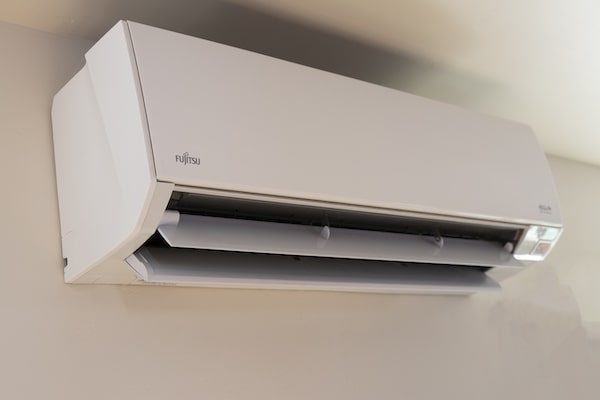
A mini-split (or “ductless” system) pairs a small outdoor compressor with one or more wall-, floor- or ceiling-mounted indoor units. Refrigerant lines — not bulky ductwork — carry conditioned air right to the room that needs it. One outdoor unit can run up to four indoor heads, each with its own thermostat. The result: precise comfort, dramatically lower energy waste, and an install that doesn’t tear up your walls or ceiling.
Short walkthroughs of the features that make modern mini-split systems so quiet, comfortable, and efficient.
Some rooms and projects are practically made for ductless. If any of these sound like your home, a mini-split is probably the right call.
Adding a new room or accessory dwelling unit? Skip the ductwork retrofit — a mini-split conditions the space without touching your main system.
Independent comfort for a detached space — perfect for long-term guests, rentals, or a backyard office.
Make your garage a useable space year-round — whether you’re working out, woodworking, or just storing things that don’t love 110°F.
Glass-walled or hard-to-condition rooms with their own thermal challenges — mini-splits handle the load without overworking the rest of the house.
Keep the bedroom a few degrees cooler than the living room without freezing out everyone else — or paying for it.
Many historic or smaller Prescott homes were never built with ducts. Mini-splits add modern comfort without invasive renovation.
The indoor “head” is what you actually see. We’ll help you pick the style that disappears best into your space.
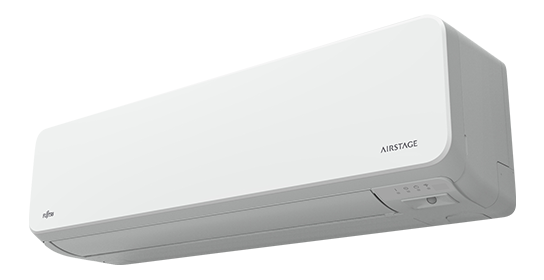
The classic, most economical style. Mounts high on a wall, sleek profile, easy to service.
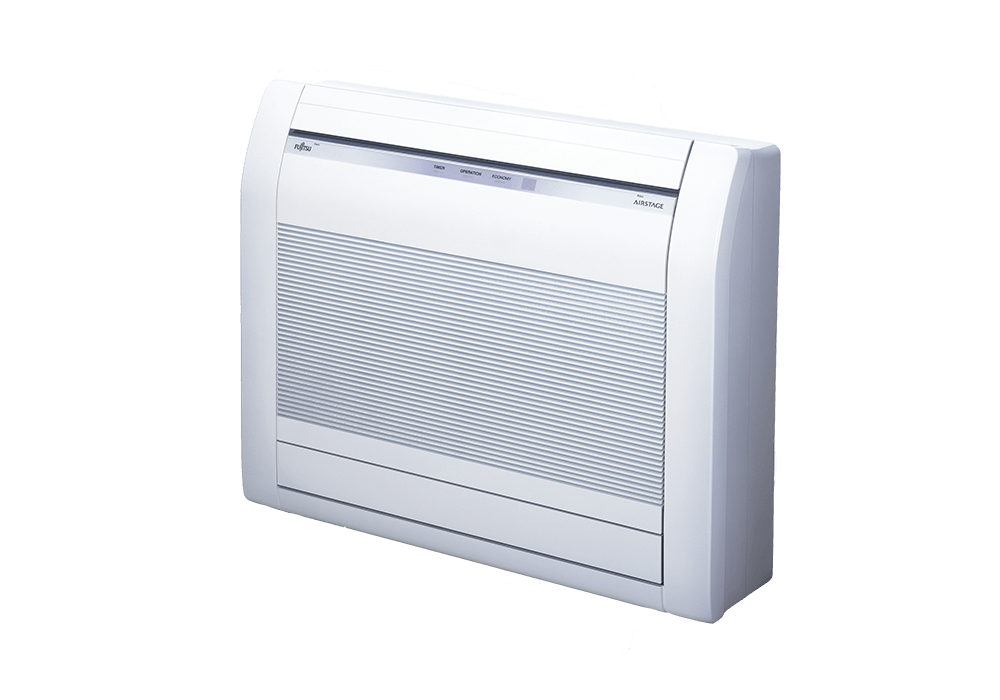
Sits low on the wall — great when you have lots of windows or vaulted ceilings.
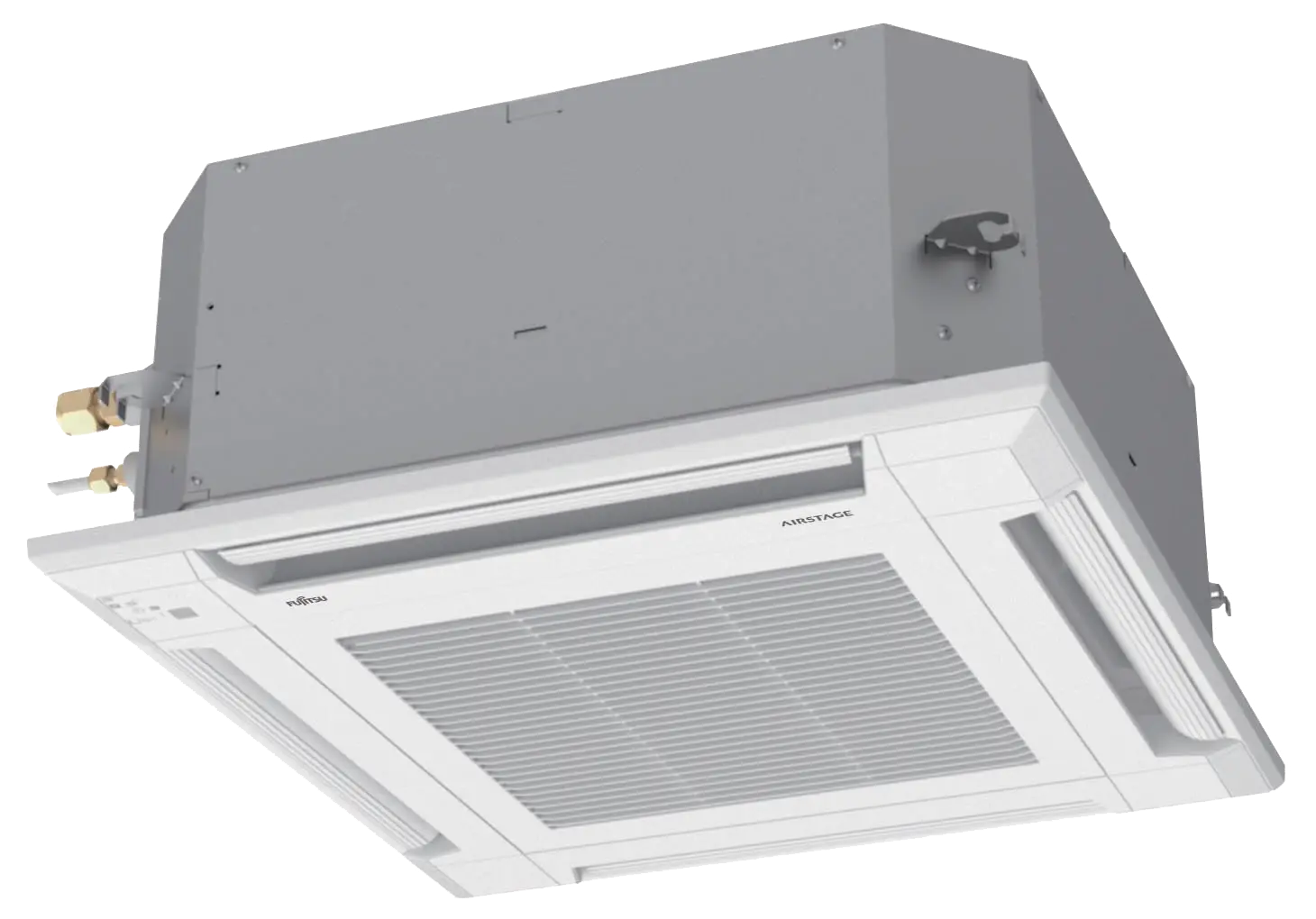
Recessed into the ceiling, distributes air in four directions — only the grille shows.
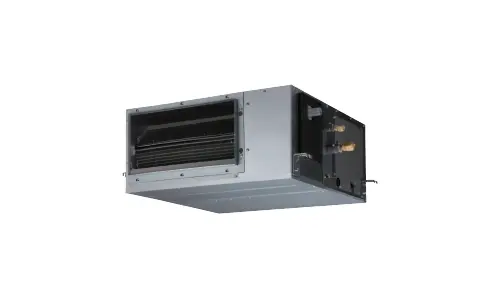
Hidden in a ceiling or soffit with a short run of duct — looks just like a traditional supply register.
One outdoor unit can serve a single room, or up to four. We’ll size the system to your actual heating and cooling loads — not a rule of thumb.
Best for: one room or one open area
Best for: 2–4 separate rooms or zones
Mini-splits work especially well for zones (groups of rooms with similar characteristics) or for heating and cooling individual rooms. One outdoor unit may be connected to as many as four indoor units. Each zone has its own thermostat, so you condition that space only when it’s occupied — saving both energy and money while providing more comfort.
At Advantage Home Performance we properly size equipment using Manual J load calculations to make sure the system can meet both the heating and cooling load of every room or zone.
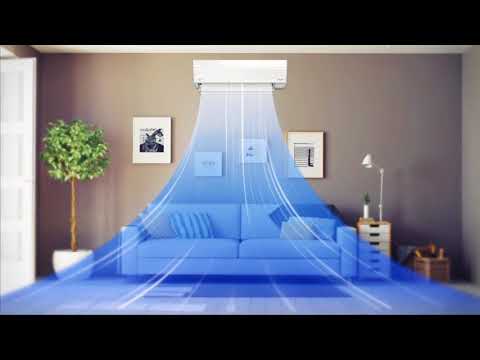
Inverter technology is used in state-of-the-art air conditioning systems — think of it like cruise control in a car. The compressor only runs as fast as it needs to in order to handle current demand. Most traditional systems have a single stage (or speed), which is nowhere near as efficient or as quiet as a mini-split that smoothly ramps up and down to maintain even temperatures.
Because mini-splits don’t require a duct system, they avoid the energy losses associated with leaky ductwork and heat gain/loss through the ducts themselves. In Arizona homes with ducts in unconditioned attics, those losses can exceed 30% of total energy use. You’re not just saving energy — you’re also avoiding the indoor air quality problems that come with duct leakage.
For situations where some air distribution is desired and space is limited, we install slim-duct mini-split systems. They’re not quite as efficient as single-head units, but we’ve had great success with them. We measure static pressure and airflow on every install to make sure they deliver the performance the manufacturer promises — and customer feedback on these systems has been outstanding.
Not sure which way to go? Here’s how the two stack up at a glance.
| Mini-Split | Central AC / Furnace | |
|---|---|---|
| Ductwork | None required | Requires duct system |
| Zoning | Built-in — every head has its own thermostat | One thermostat per system (zoning is an add-on) |
| Install disruption | Minimal — small wall penetration only | Major if adding ducts; moderate for replacement |
| Efficiency | Among the highest available (SEER2 25+ possible) | Strong — but limited by duct losses |
| Best for | Additions, casitas, single rooms, no-duct homes, whole-home retrofits | Whole-home conditioning where ducts already exist |
| Up-front cost | Lower for one zone; comparable for multi-zone | Lower if ducts already exist |
We’ve installed Fujitsu systems for years in homes all across Yavapai and Maricopa counties — and our installers are factory-trained on the entire product line. Fujitsu builds gear that’s engineered to last, with industry-leading efficiency and a warranty to back it up.
Qualifying heat-pump mini-splits can earn up to $14,000 in Efficiency Arizona rebates for income-eligible Arizona households — one of the most generous home electrification programs in the country. We’ll walk you through exactly what you qualify for before you buy.
A properly installed and maintained mini-split should run 15–20 years — comparable to a central AC. Annual service and clean filters make a huge difference. Most of the systems we install carry a 10-year parts and compressor warranty.
Yes. The indoor heads on Fujitsu units run as low as ~20 dB — quieter than a library whisper. The outdoor compressor is also dramatically quieter than a traditional condenser because the inverter rarely runs at full speed.
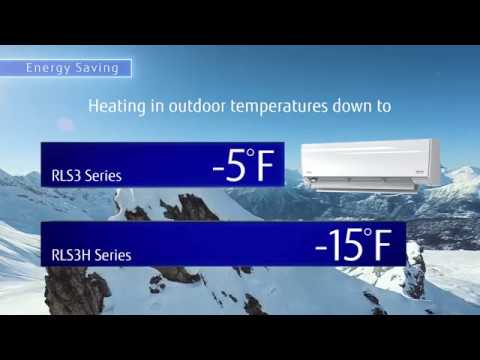
Heat-pump mini-splits handle Arizona winters very well — including the cold snaps we get in Prescott. Modern Fujitsu cold-climate units maintain rated heating capacity even when outdoor temps drop into the teens.
The opposite — they’re one of the most efficient ways to condition a space. Because there are no duct losses and the inverter compressor only runs as hard as needed, monthly operating costs are typically lower than central systems sized for the same load.
Not necessarily. One indoor head usually covers an open area or a single bedroom comfortably. If you have several rooms with doors that stay closed, a multi-zone system with multiple indoor heads is usually the right answer.
Filters should be cleaned every few weeks during heavy use — that’s a 30-second job you can do yourself. We recommend a professional tune-up once a year to check refrigerant charge, clean coils, and inspect electrical connections.
Get a free, no-pressure quote from the team that’s been installing ductless systems in northern and central Arizona for over 20 years.